Designing with Extended Intelligence

A seminar exploring the different applications of generative AI through hands-on experience with OpenAI tools, as well as reflections on the ethical considerations in AI use. 

Dottod AI Camera

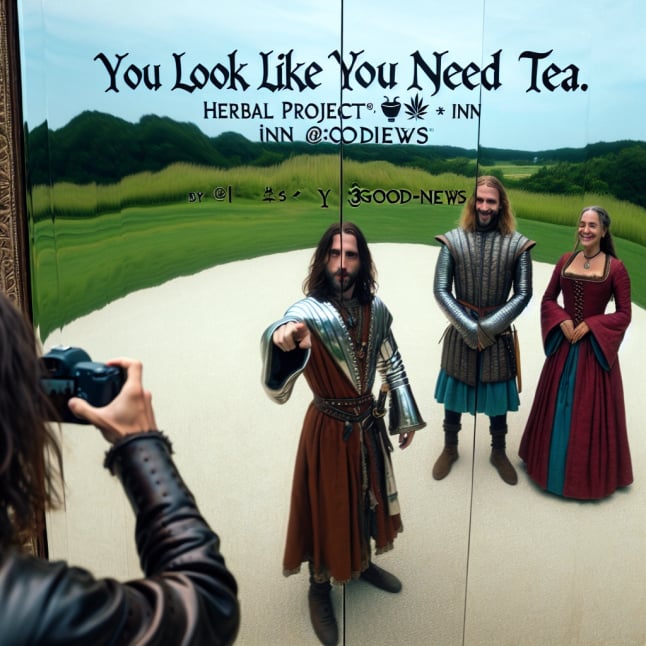
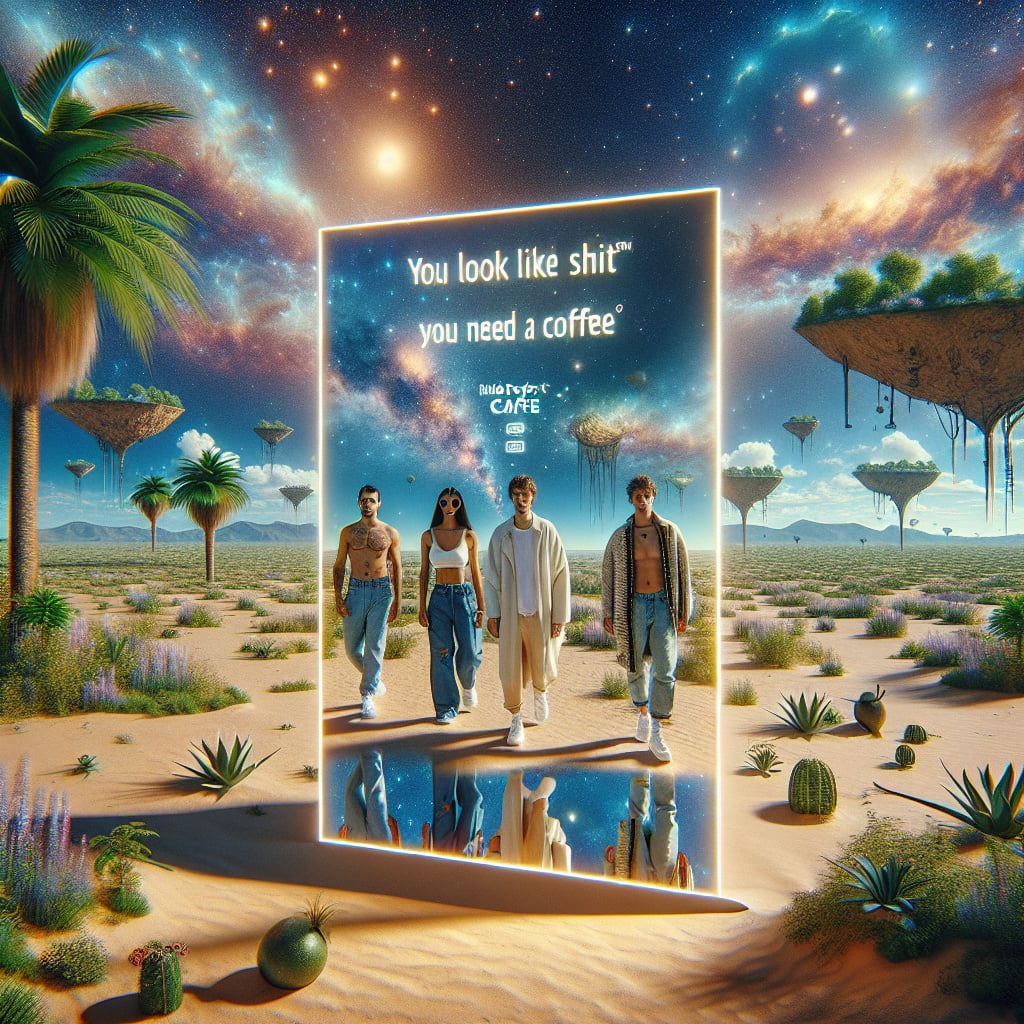
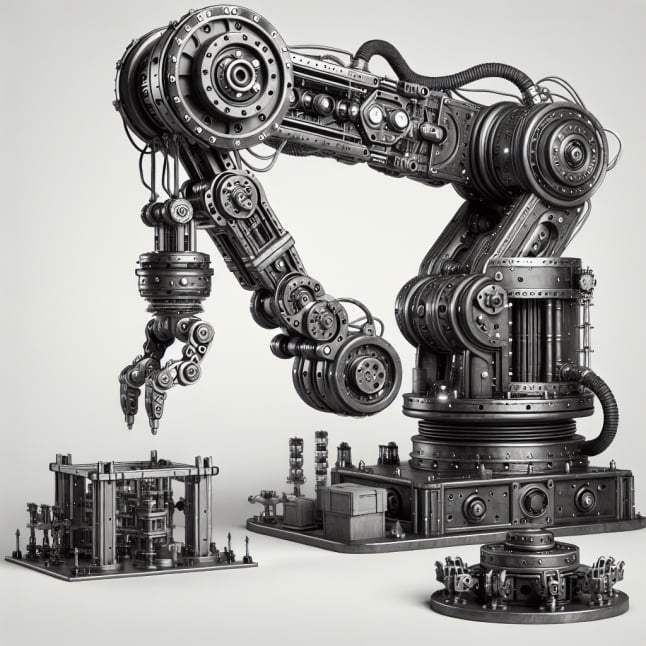
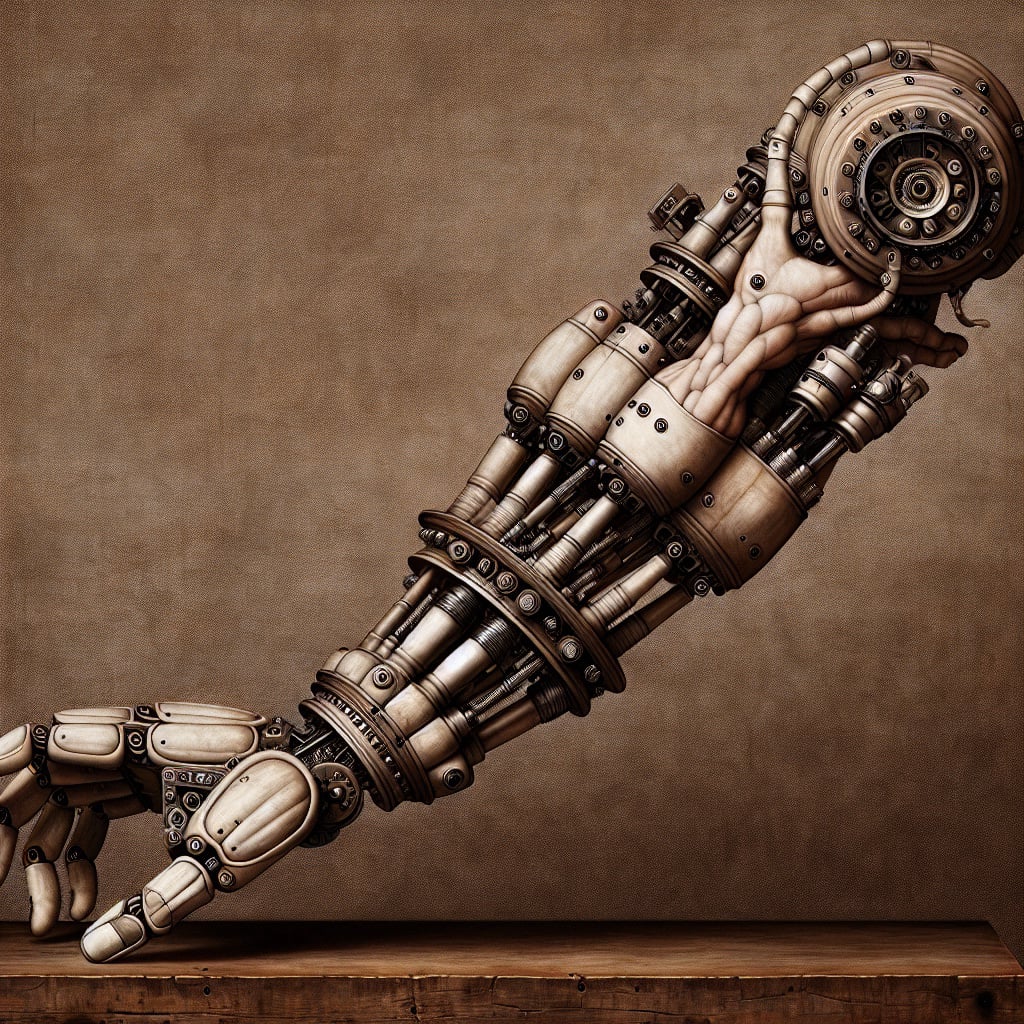
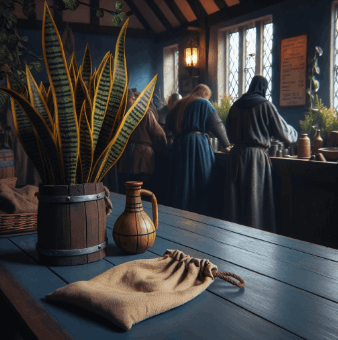
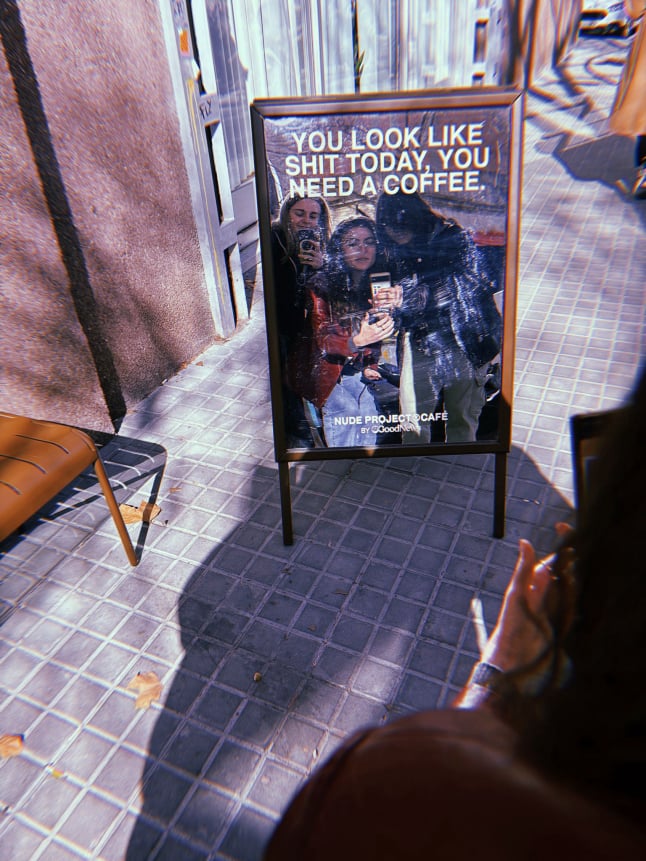
In this exercise, we used an AI interface developed by the collective Dottod to reimagine given images through prompts. We played with different pictures, exploring how AI would interpret specific elements. For example, when asking the AI to imagine our pictures as if they were set in the middle ages, it was interesting to see how AI converted modern elements of our pictures that did not exist back then. Phones were transformed into coffee cups, women were imagined as men, paper bags were turned into alms purses, robots were portrayed as stone tools.  We also noticed that it was hard for AI to recognise trash, as it was always reinterpreting it as the non-degraded equivalent.

This exercise gave us valuable insights on the logics behind AI systems, the "art of prompting" and the weight of words as well as the bias resulting from over-representation in training datasets. This helped me acknowledge the benefits and limitations of generative AI and led me to reevaluate and reflect on my interactions with such AI tools, especially when used in the creative process.
Mobirise Website Builder

Reflections


This seminar revealed the extensive creative opportunities made possible by generative AI. In this sense, I firmly believe that AI has the potential to generate more employment opportunities than it eliminates, provided that individuals are incentivised to reskill themselves to learn to  incorporate AI into their workflows for improved results.

Demystifying AI is in fact important to increase its accessibility to the wider public: the seminar gave us a more grounded approach to AI as it emphasised generative AI's predictive capabilities rather than an inherent intelligence. The technology relies on calculating probabilities for generating the next element in a sequence, which challenges the common misconception of AI's "intelligence", attributing such belief to our cognitive biases.

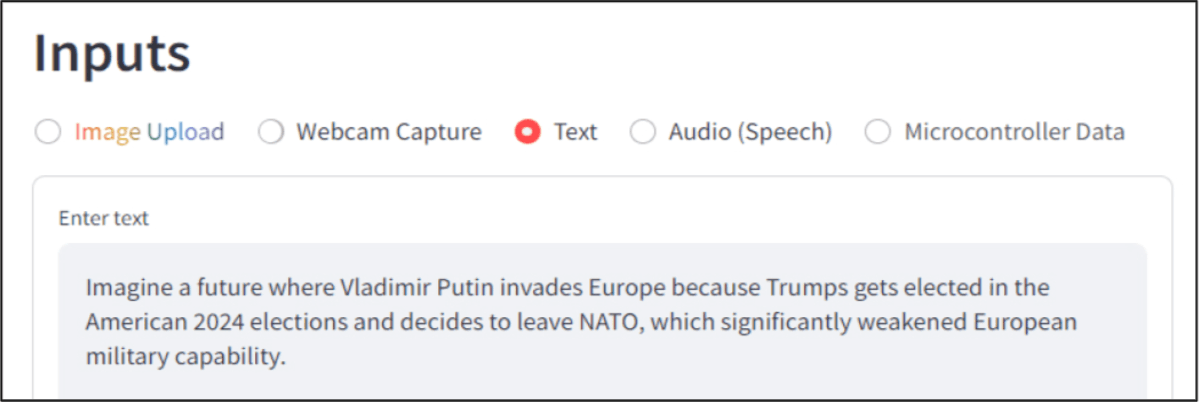
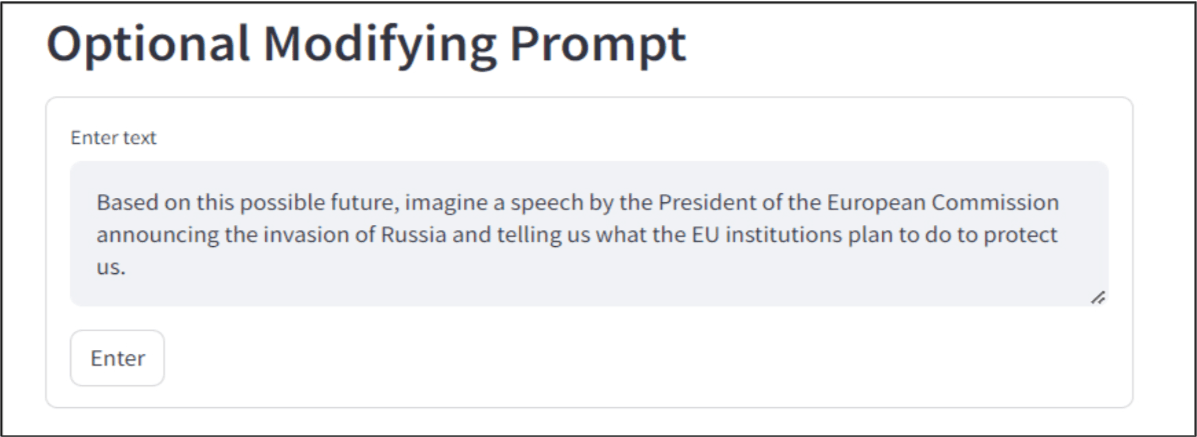
I was especially struck by our discussion on the possible political implications of generative AI. In view of many upcoming elections this year, AI-generated content can be used to manipulate public opinion as outputs are becoming increasingly hard to recognise as AI-generated. This raises important ethical questions surrounding the authentication of such content through watermarks or blockchain technology to create unalterable proof of ownership. These questions should be at the forefront of regulating the use of AI.

The concept of overfitting expanded my understanding of the technical challenges in AI, emphasizing the importance of robust training to prevent AI systems from defaulting to closely trained datasets when presented with unfamiliar inputs. The explanation of nodes, connections, weights and how supervised filters work in neural networks unpacked some of the technical aspects of AI, offering a clearer view of how these systems learn and of how bias is addressed.

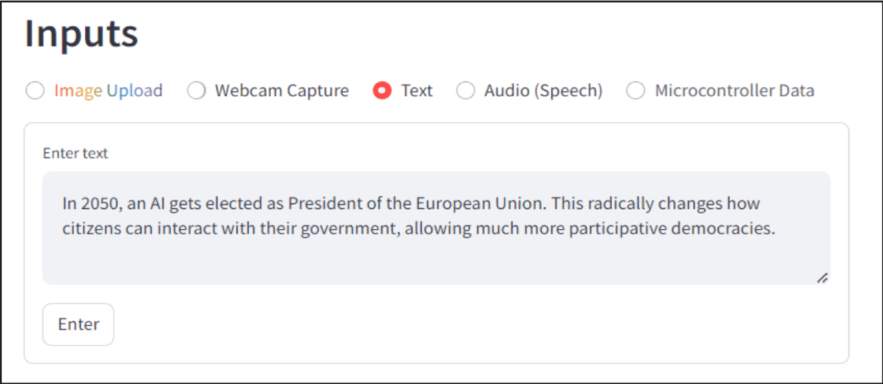
 Overall, this seminar gave me a sense of responsibility to integrate AI with a critical and informed perspective in my design practice, recognising both the immense potential and the challenges that lie ahead as society's use of AI increases. Having worked extensively on the issue of AI regulation in my previous job, it was fascinating to get a more technical understanding of the technology and the opportunities it offers. The tools that were presented to us will be extremely useful in my research project on envisioning possible future policy scenarios, especially as I realise that the window of opportunity to innovate with generative AI is now. As discussed in the seminar, AI's technology maturity will most probably peak by the end of the year.

HTML Website Creator