A seminar exploring the complex implications of the digital economy on the environment, using critical thinking and long-term perspectives.
The seminar shed light on the interconnected challenges facing humanity, highlighting the complexity of climate change and urging a shift towards a planet-centric perspective. Our collective discussions emphasized the importance of reevaluating our relationship with nature, stepping away from an anthropocentric point of view, and considering long-term temporal perspectives. Overall, the seminar highlighted the need for holistic approaches, interdisciplinary collaboration, and collective action to address the current polycrisis and strive towards a more just, sustainable future.
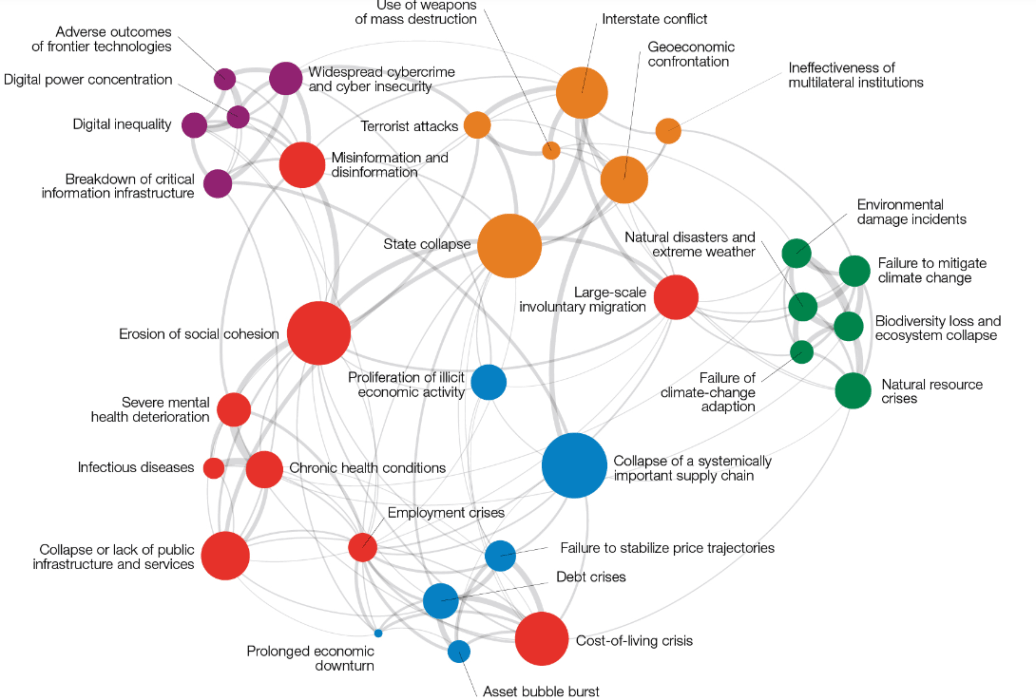
The seminar introduced climate change as a polycrisis, given its intersectionality with other social, economic and cultural crises. This understanding is crucial as it underscores the need for holistic approaches that address the root causes and interdependencies of these challenges. This made me think of how the push for greener policy frameworks at government level in Europe is causing a political backlash and a rise of extreme right across the continent, because the costs of the radical change of lifestyle they require is felt more by poorer classes. I was shocked to learn that the amount of anthropogenic mass has surpassed the amount of biomass since 2020!
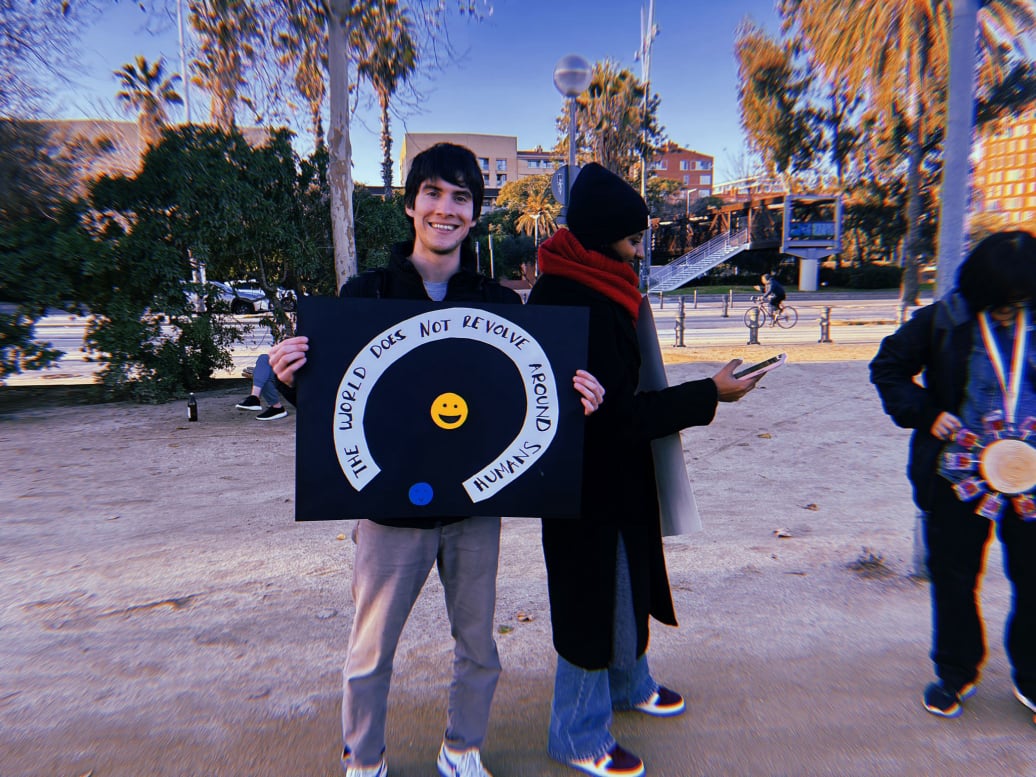
A central theme throughout the seminar was the necessity of shifting our perspective from a human-centric to a planet-centric worldview. This reframing requires reevaluating our relationship with the natural world and recognizing our role as part of, rather than separate from, the ecosystem. Discussions on planet-centered design emphasized the importance of fostering humility, responsibility, and empathy towards the environment in our actions and decision-making processes. Language was also highlighted as a powerful tool to create and change perceptions of reality. As Ursula Guin pointed out, change begins in the art of words. Words shape worlds: the language that we use to describe life on earth is very powerful in shaping our relationship with the earth. Immersed in extractive capitalist power structures and dynamics, it is easier for us to imagine the end of the world than the end of capitalism... take a minute to let that sink in...
Moreover, the seminar prompted reflection on the role of time in shaping our perceptions and actions. By exploring different temporal perspectives and understanding time as a currency for change, participants were encouraged to adopt long-term thinking and consider the implications of their actions on future generations. Indeed we need to take better conscience of entanglement between now and then, to think and act across generations. This seminar also brought me back to the Biology Zero seminar when Nuria showed us through diverse scientific experiments that the future is now. Similarly, this seminar reminded us that we tend to believe solutions to our polycrisis lie in the future, ignoring the range of solutions that are already available.
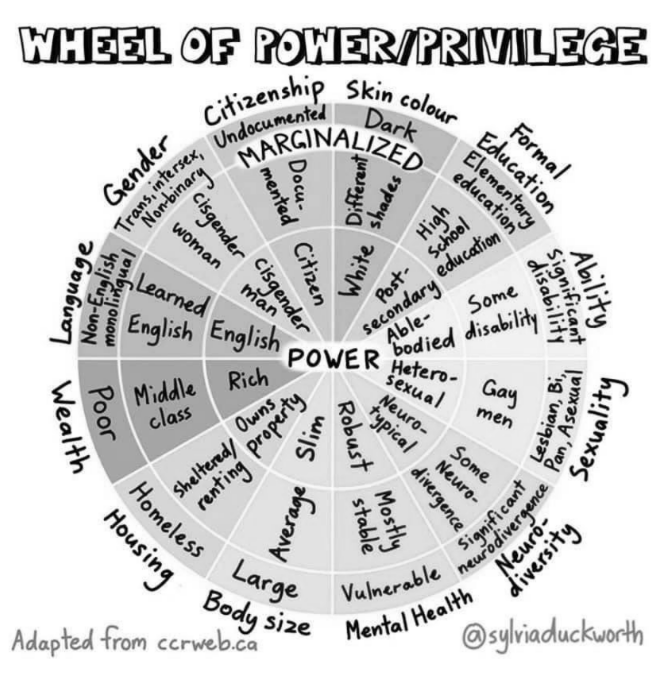
We were prompted to reflect on our position of privilege in this world, based criteria of the wheel of privilege. This was a very helpful exercise to understand the position from which design and the inherent biases I will inevitably bring into my design. Recognising the privileges that I have over other more marginalised groups, this exercise was a reminder to strive for inclusivity in my design.
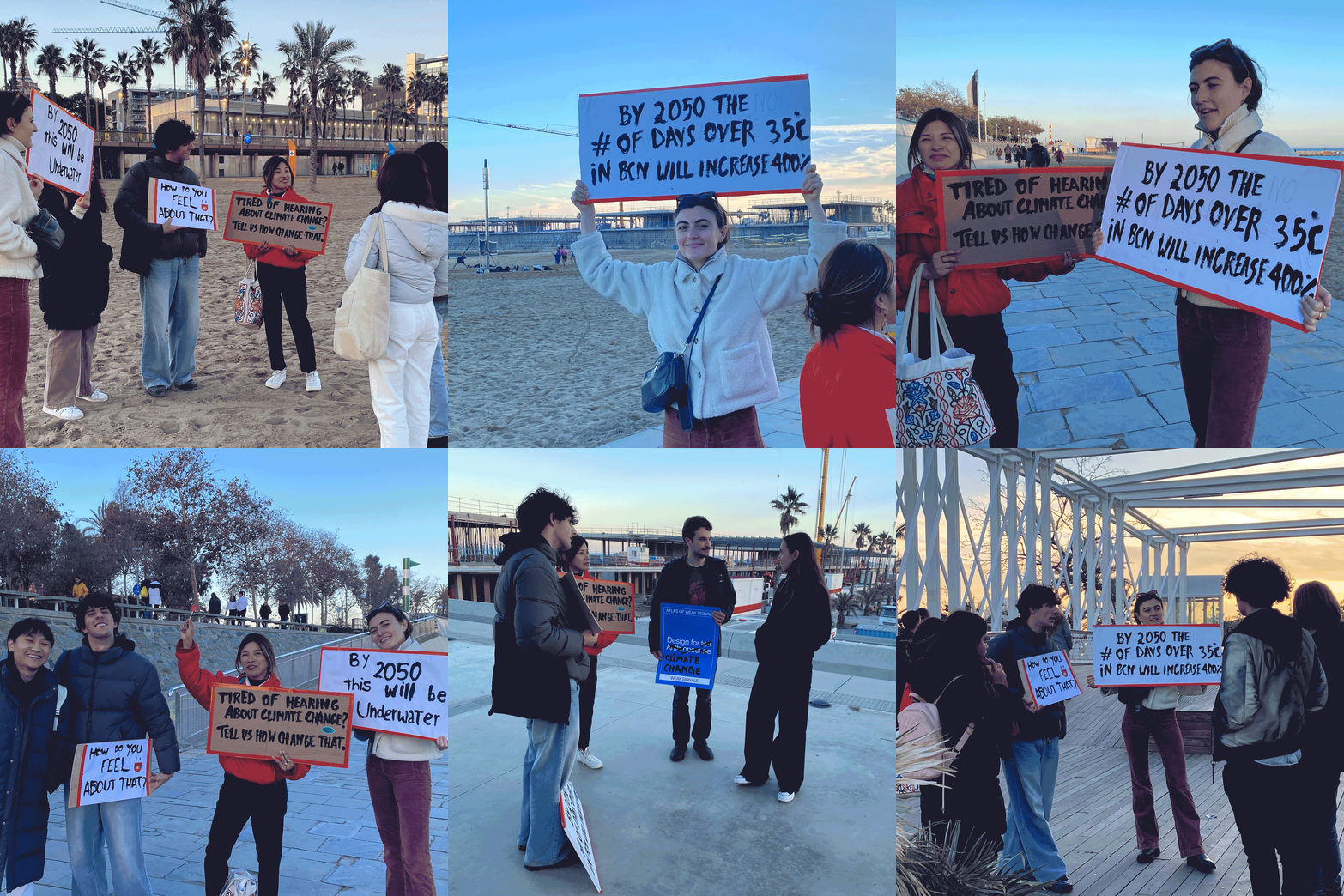
We were also tasked with interacting with strangers and having conversations about their perceptions of climate change, using signs as conversation starters. To have maximum impact and address the lack of general public concern over climate change, we decided to showcase the direct impact that climate change could have on them through data. We researched some scientific projections about the impact of climate change in Barcelona and translated that into a projection of a future reality for inhabitants of the city: "By 2050, the number of days over 35 degrees celsius will increase by 400%". "By 2050, this area of the beach will be underwater". We realised that these were quite powerful messages as they triggered many discussions while we were walking down Barcelona's beach with our signs. The goal was to understand how people feel about climate change, and we got an array of different sentiments: some feel desperate by the lack of action, others were tired to hear about it.
Mobirise